Консультации
Горячая линия
Горячая линия

Время:2026-01-08
Подробное описание
В современном бизнесе поддержание комфортной температуры в офисах, складах и производственных помещениях является критически важным для продуктивности сотрудников и сохранения оборудования. Однако высокие затраты на кондиционирование и охлаждение могут существенно ударить по бюджету, особенно для малого и среднего бизнеса. В этой статье мы рассмотрим низкобюджетные способы охлаждения, которые помогут снизить расходы без ущерба для комфорта. Мы охватим природные методы, DIY решения, простые модификации и современные энергосберегающие технологии, предоставляя практические советы и примеры из реальной жизни.
Охлаждение помещений — это не просто вопрос комфорта; оно напрямую влияет на здоровье сотрудников, срок службы техники и общую эффективность бизнеса. По данным исследований, перегрев в офисах может снизить продуктивность на 10-20%, а на производстве привести к поломкам оборудования и увеличению брака. Традиционные системы кондиционирования, такие как сплит-системы или центральные кондиционеры, часто требуют значительных первоначальных инвестиций и высоких эксплуатационных затрат на электроэнергию. Для бизнеса с ограниченным бюджетом это может быть непозволительной роскошью.
Низкобюджетные способы охлаждения предлагают альтернативу: они основаны на использовании природных ресурсов, простых технических решениях и оптимизации существующих систем. Эти методы не только экономят деньги, но и способствуют устойчивому развитию, уменьшая углеродный след бизнеса. В этой статье мы детально разберем различные подходы, начиная от базовых советов по вентиляции и заканчивая инновационными технологиями, которые можно внедрить с минимальными затратами.
Прежде чем перейти к конкретным методам, важно понять основные принципы охлаждения: теплопередача, циркуляция воздуха и управление влажностью. Эти знания помогут адаптировать решения под специфику вашего бизнеса, будь то офис, магазин, склад или производственная зона.
Природные методы охлаждения используют естественные процессы, такие как ветер, тень и испарение, чтобы снизить температуру без использования энергии. Эти способы идеальны для бизнеса, так как они практически бесплатны и экологичны. Рассмотрим несколько ключевых подходов.
Естественная вентиляция — это простейший способ охлаждения, основанный на движении воздуха через открытые окна, двери или вентиляционные отверстия. Для бизнеса это может быть организовано через стратегическое планирование помещений. Например, в офисных зданиях можно разместить рабочие зоны near windows to maximize airflow. Studies show that cross-ventilation, where air enters from one side and exits from the opposite, can reduce indoor temperatures by 2-5°C.
Чтобы усилить эффект, businesses can install adjustable vents or louvers that direct airflow. In warehouses, high ceilings and large doors facilitate natural convection, where hot air rises and escapes through upper openings. This method is cost-effective but requires careful design to avoid drafts or security issues. Regular maintenance, such as cleaning vents and ensuring windows open smoothly, is essential for optimal performance.
Затенение — это предотвращение прямого попадания солнечных лучей в помещение, что significantly reduces heat gain. Businesses can use external shades, awnings, or planting trees near windows. For instance, deciduous trees provide shade in summer and allow sunlight in winter, offering a seasonal solution. Internal options include blinds or curtains, but external are more effective as they block heat before it enters.
Изоляция plays a crucial role in maintaining cool temperatures by reducing heat transfer through walls, roofs, and windows. Low-cost insulation materials like reflective foil or spray foam can be applied to attics or walls. In hot climates, white or reflective roofs can reflect up to 80% of solar radiation, lowering indoor temperatures by several degrees. This upfront investment pays off through reduced cooling costs over time.
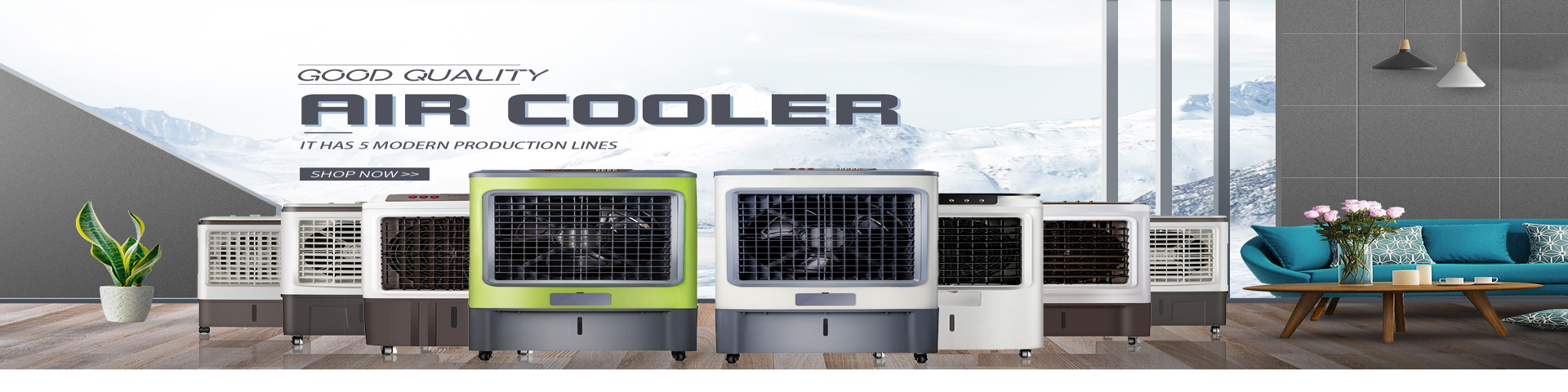
Испарительное охлаждение uses water evaporation to cool air, a method that works well in dry climates. Simple DIY solutions include placing wet towels or bowls of water near windows or using portable evaporative coolers. These devices are cheaper to operate than traditional ACs as they consume less electricity. For businesses, evaporative cooling can be integrated into ventilation systems, but it requires monitoring humidity levels to avoid mold growth.
Natural examples include green roofs or walls, where plants transpire water, cooling the surrounding air. While initial setup might have costs, the long-term benefits include improved air quality and energy savings. Case studies from businesses in arid regions show savings of up to 30% on cooling expenses with evaporative methods.
Для бизнеса, готового к небольшим инвестициям времени и ресурсов, DIY решения offer customizable and affordable cooling options. These methods often involve repurposing everyday items or making minor modifications to existing infrastructure.
Самодельные вентиляторы can be created using computer fans or small motors attached to blades, powered by low-voltage sources. For example, a business can set up a series of fans to create a wind tunnel effect in a warehouse, enhancing air movement. Costing less than $50 per unit, these fans are easy to maintain and can be positioned strategically to target hot spots.
Улучшение воздушных потоков through simple adjustments, such as rearranging furniture to avoid blocking vents or using fans to complement natural ventilation, can make a significant difference. In offices, ceiling fans are a low-energy alternative to AC, reducing perceived temperature by 3-4°C. Businesses should focus on optimizing fan placement based on room layout and heat sources.
Модификации окон, such as adding reflective film or installing storm windows, can reduce heat gain by reflecting sunlight. Reflective films are inexpensive and easy to apply, blocking UV rays and lowering indoor temperatures. For doors, using weather stripping or installing screen doors allows for ventilation while keeping insects out.
Another idea is to create thermal curtains from insulating materials, which can be made at home using old blankets or specialized fabrics. These curtains help trap cool air inside during the day and can be opened at night for cooling. Businesses in retail or hospitality can benefit from these modifications without major renovations.
Простое использование воды, such as placing buckets of ice in front of fans, creates a cheap cooling effect through evaporation. This method is temporary but effective for small spaces or during peak heat hours. For larger areas, businesses can invest in misting systems that spray fine water droplets, cooling the air through evaporation. These systems are relatively low-cost to install and operate, especially if using harvested rainwater.
In production environments, water-based cooling for machinery can be optimized with DIY heat exchangers made from copper tubing and fans. This not only cools equipment but also reduces the overall ambient temperature. Safety measures, such as avoiding electrical hazards, are crucial when implementing water-based solutions.
Современные технологии offer energy-efficient cooling options that, while requiring some investment, provide long-term savings through reduced energy consumption. These solutions are ideal for businesses looking to upgrade without breaking the bank.
Энергоэффективные кондиционеры, such as inverter ACs, adjust compressor speed based on cooling demand, using up to 30% less energy than traditional models. While the initial cost is higher, rebates and tax incentives often offset this. Businesses should choose units with high SEER (Seasonal Energy Efficiency Ratio) ratings for best performance.
Умные вентиляторы with sensors can automate cooling based occupancy or temperature, optimizing energy use. For example, fans that turn off when no one is present prevent wasted energy. Integrating these with smart thermostats allows for precise control and scheduling, further reducing costs.
Солнечное охлаждение systems use solar panels to power fans or absorption chillers, making cooling virtually free after installation. Although upfront costs are significant, government grants and decreasing solar panel prices make this accessible. Businesses in sunny regions can achieve energy independence and reduce operational expenses.
Other renewable options include geothermal cooling, which uses stable underground temperatures to cool air. While more complex, it offers immense savings over time. Start small with solar-powered fans or vents to test feasibility before scaling up.
IoT devices enable real-time monitoring and control of cooling systems. Sensors can detect temperature variations and adjust settings automatically, ensuring optimal performance. For instance, a smart HVAC system can learn usage patterns and pre-cool spaces during off-peak hours when electricity is cheaper.
Businesses can implement DIY IoT solutions using Raspberry Pi or Arduino boards to create custom controllers. This not only saves money but also allows for tailored solutions specific to the business's needs. Cloud-based platforms provide analytics to identify inefficiencies and further reduce costs.
Реализация low-cost cooling requires planning and adaptation. Here are practical tips for businesses:
Case study: A small office in Moscow reduced cooling costs by 25% by installing reflective window film and using ceiling fans instead of AC during mild days. Another example, a warehouse in Siberia, implemented cross-ventilation and evaporative cooling, saving over $1000 annually on energy bills.
These examples show that with creativity and commitment, businesses can achieve significant cooling benefits on a budget.
Низкобюджетные способы охлаждения не только экономят деньги, но и способствуют устойчивому развитию бизнеса. Комбинируя природные методы, DIY решения и современные технологии, компании могут создать комфортную среду для сотрудников и клиентов без больших затрат. Ключ к успеху — это адаптация методов под конкретные условия и постоянное улучшение.
В будущем, с развитием технологий и increasing awareness of climate change, low-cost cooling will become even more accessible. Businesses that adopt these practices early will gain a competitive edge through reduced operational costs and enhanced corporate responsibility. Start small, experiment, and watch your savings grow while keeping cool.
Для дальнейшего изучения, consider resources like energy.gov for guides on energy efficiency or local business grants for green initiatives. Remember, every step towards low-budget cooling is a step towards a more sustainable and profitable business.