Консультации
Горячая линия
Горячая линия

Время:2025-12-15
Подробное описание
В современном мире, где энергетические ресурсы становятся все более дорогими, а экологические проблемы требуют срочного внимания, поиск эффективных и устойчивых решений для охлаждения помещений становится как никогда актуальным. Испарительные охладители, также известные как swamp coolers или испарительные воздухоохладители, представляют собой инновационную технологию, которая не только обеспечивает комфортную температуру, но и позволяет значительно сократить потребление энергии. В этой статье мы глубоко погрузимся в мир испарительных охладителей, исследуя, как они работают, почему они экономичны, и как вы можете использовать их для экономии до 70% энергии по сравнению с традиционными кондиционерами. Мы рассмотрим научные основы, практические применения, сравнения с другими системами, и предоставим реальные советы по выбору и использованию. Эта статья предназначена для домовладельцев, бизнесменов, экологов и всех, кто заинтересован в снижении энергозатрат и защите окружающей среды. Давайте начнем с основ и постепенно раскроем все секреты этой удивительной технологии.
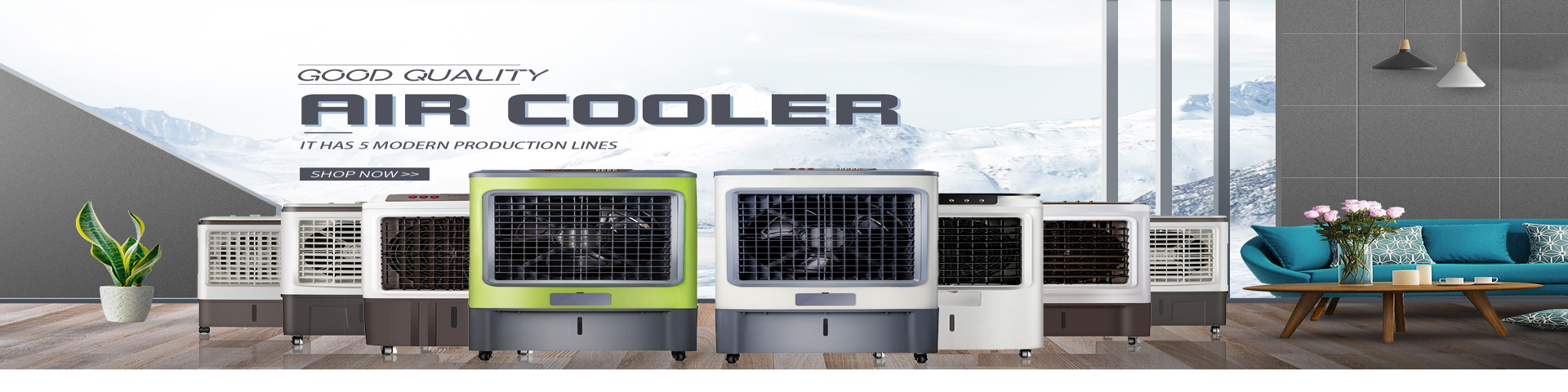
Испарительный охладитель – это устройство, которое использует естественный процесс испарения воды для охлаждения воздуха. В отличие от традиционных кондиционеров, которые полагаются на компрессоры и хладагенты (такие как фреон), испарительные охладители работают по простому и эффективному принципу: они пропускают теплый воздух через влажную среду (часто это специальные прокладки или мембраны), где вода испаряется, поглощая тепло из воздуха и снижая его температуру. Этот процесс известен как адиабатическое охлаждение и является одним из самых древних и естественных способов охлаждения, используемых человечеством. Например, в жарких и сухих регионах, таких как пустыни, люди веками использовали испарение для создания прохлады – вспомните о глиняных сосудах с водой или влажных тканях. Современные испарительные охладители автоматизируют этот процесс, делая его удобным и масштабируемым для различных применений, от небольших комнат до крупных промышленных объектов. Ключевые компоненты типичного испарительного охладителя включают вентилятор, водяной насос, резервуар для воды и испарительные прокладки. Когда устройство включено, насос подает воду на прокладки, а вентилятор прогоняет воздух через них, вызывая испарение и охлаждение. Результат – свежий, увлажненный и прохладный воздух, который поступает в помещение. Прелесть этой системы в ее простоте: она требует минимального количества движущихся частей, что снижает риск поломок и упрощает обслуживание. Кроме того, поскольку она не использует вредные хладагенты, она является экологически чистой альтернативой. В следующих разделах мы подробнее рассмотрим, как именно это приводит к экономии энергии и почему это так важно в сегодняшнем контексте.
Чтобы понять, как испарительный охладитель экономит энергию, важно разобраться в его принципе работы. Процесс начинается с забора теплого воздуха из окружающей среды. Этот воздух поступает в устройство через впускные отверстия и направляется к испарительным прокладкам, которые постоянно смачиваются водой из резервуара. Вода на прокладках поглощает тепло из воздуха в процессе испарения, который является эндотермической реакцией – то есть требует энергии (в виде тепла) для перехода воды из жидкого состояния в газообразное. Эта энергия берется из воздуха, что приводит к его охлаждению. Охлажденный воздух затем выдувается вентилятором в помещение, создавая комфортные условия. Ключевой момент здесь – эффективность: испарительное охлаждение может снизить температуру воздуха на 10-15 градусов Цельсия в зависимости от влажности окружающей среды. Чем суше воздух, тем эффективнее работает система, так как испарение происходит быстрее. Например, в регионах с низкой влажностью, таких как Аризона или части России с континентальным климатом, испарительные охладители могут работать исключительно хорошо. Для сравнения, традиционные кондиционеры используют компрессор для сжатия и расширения хладагента, что требует значительного количества электроэнергии – often в 3-4 раза больше, чем у испарительных систем. Испарительные охладители, напротив, потребляют энергию в основном для работы вентилятора и водяного насоса, которые являются низкомощными устройствами. В среднем, испарительный охладитель потребляет от 100 до 500 Вт, в то время как стандартный кондиционер может потреблять 1000-3000 Вт и более. Это прямое сравнение показывает потенциал экономии: switching to an evaporative cooler can reduce energy consumption by up to 70%, especially in suitable climates. Additionally, the simplicity of the system means less maintenance and longer lifespan, further contributing to cost savings over time. In the next section, we'll explore the advantages in more detail, including environmental benefits and health aspects.
Испарительные охладители предлагают множество преимуществ, которые делают их привлекательными для различных пользователей. Во-первых, экономия энергии – это их главное достоинство. Как мы уже упоминали, они потребляют значительно меньше электроэнергии, чем традиционные кондиционеры. Это не только снижает счета за электричество, но и уменьшает нагрузку на энергосети, что особенно важно в периоды пикового спроса. Например, в летние месяцы, когда кондиционеры работают на полную мощность, испарительные охладители can help prevent blackouts and reduce carbon emissions. Secondly, they are environmentally friendly. Unlike conventional AC units that use refrigerants like HCFCs or HFCs, which contribute to ozone depletion and global warming, evaporative coolers use only water and air. This means zero greenhouse gas emissions from the cooling process itself, making them a sustainable choice for the planet. Moreover, they add moisture to the air, which can be beneficial in dry climates where low humidity causes skin irritation, respiratory issues, or static electricity. This humidifying effect can improve indoor air quality and comfort, unlike air conditioners that often dry out the air. Thirdly, cost-effectiveness is a major advantage. Initial purchase and installation costs for evaporative coolers are generally lower than for traditional AC systems. For instance, a portable evaporative cooler might cost between $100 and $500, while a central air conditioner can range from $2,000 to $10,000 or more. Maintenance is also simpler and cheaper – typically involving periodic cleaning of pads and water reservoir, rather than complex refrigerant checks or compressor repairs. Fourthly, they are versatile and can be used in various settings, from homes and offices to warehouses, greenhouses, and even outdoor events. Their portability and ease of installation make them ideal for temporary or seasonal cooling needs. However, it's important to note that evaporative coolers are most effective in dry climates; in humid areas, their efficiency decreases because the air is already saturated with moisture, limiting evaporation. Despite this limitation, for many regions, the benefits outweigh the drawbacks. In the following sections, we'll compare them with other cooling systems and provide practical tips for maximising savings.
Чтобы fully appreciate the energy savings of evaporative coolers, it's essential to compare them with traditional cooling systems like split-type air conditioners, window units, and central AC. Traditional AC systems operate on the vapor-compression cycle, which involves compressing a refrigerant to release heat outside and then expanding it to absorb heat indoors. This process is energy-intensive because it requires powerful compressors and fans. According to studies, traditional AC units have a Energy Efficiency Ratio (EER) typically between 8 and 12, while evaporative coolers can have an EER of 10 to 40 or more, depending on conditions. EER is a measure of cooling output per unit of energy input, so higher values indicate better efficiency. For example, an evaporative cooler might produce 4000 BTU of cooling while consuming only 100 watts, resulting in an EER of around 40 (since 1 BTU/h ≈ 0.293 W, so 4000 BTU/h ≈ 1172 W, and EER = 1172 W / 100 W = 11.72 – wait, let's recalculate properly: EER = cooling capacity in BTU/h divided by power input in watts. For 4000 BTU/h and 100 W, EER = 4000 / 100 = 40. Yes, that's correct). In contrast, a standard window AC unit might have an EER of 10, meaning it consumes more energy for the same cooling effect. This disparity highlights why evaporative coolers can save up to 70% energy. Additionally, traditional AC systems require regular maintenance of filters, coils, and refrigerants, which can add to operational costs. They also contribute to urban heat islands by releasing waste heat outdoors. Evaporative coolers, on the other hand, have a simpler design with fewer parts to maintain, and they don't generate significant waste heat. However, one downside is that evaporative coolers are less effective in humid climates, whereas traditional AC works well in all conditions. For areas with high humidity, hybrid systems that combine both technologies are emerging. Overall, the choice depends on climate, budget, and environmental concerns. In dry regions, evaporative coolers are unequivocally superior for energy savings.
Испарительные охладители находят широкое применение в различных сферах, демонстрируя свою эффективность и экономичность. В жилых домах они ideal for cooling individual rooms or entire houses in dry climates. For instance, in states like Nevada or parts of Australia, many homeowners use evaporative coolers to reduce summer electricity bills by 50-70%. A real-life example: a family in Phoenix, Arizona, reported saving over $200 per month on cooling costs after switching from a central AC to an evaporative cooler. In commercial settings, such as warehouses, factories, or retail spaces, these coolers provide cost-effective climate control. Large industrial evaporative coolers can cool vast areas while using minimal energy, making them popular in agriculture for greenhouses or in data centers where temperature regulation is critical. For example, a winery in California uses evaporative cooling to maintain optimal temperatures in storage cellars, cutting energy use by 60% compared to previous AC systems. Outdoor applications include cooling patios, event tents, or sports facilities, where portability and efficiency are key. In regions like the Middle East, evaporative coolers are commonly used in sukooks (markets) to keep shoppers comfortable. Another innovative use is in conjunction with solar power; since evaporative coolers have low energy demands, they can be powered by solar panels, achieving near-zero operating costs. This synergy enhances sustainability and independence from the grid. Personal stories abound: a small business owner in Russia's dry regions shared how installing an evaporative cooler helped them stay cool during heatwaves without straining their budget. These examples underscore the practicality and savings potential. To maximise benefits, it's important to choose the right size and type of cooler for your needs, ensure proper ventilation, and maintain it regularly. In the next section, we'll delve into tips for selection and usage.
Чтобы добиться максимальной экономии энергии с испарительным охладителем, важно правильно его выбрать и использовать. First, consider the climate: evaporative coolers work best in areas with humidity below 50%. If you live in a humid region, they may not be effective, and you might need a dehumidifier or hybrid system. Second, calculate the cooling capacity needed based on the size of your space. Coolers are rated in CFM (cubic feet per minute) or BTU/h. A general rule is that you need about 20-30 CFM per square meter of area. For example, a 50 square meter room might require a cooler with 1000-1500 CFM. Third, choose between portable, window-mounted, or ducted systems. Portable units are easy to move but may have limited capacity, while ducted systems can cool entire buildings but require professional installation. Fourth, ensure adequate ventilation: since evaporative coolers add moisture, they need a way to exhaust stale air, so keep windows or doors slightly open to allow air circulation. This prevents humidity buildup and maintains efficiency. Fifth, regular maintenance is crucial. Clean the water reservoir and evaporative pads every few weeks to prevent mold and mineral buildup. Use clean water to avoid scaling; in hard water areas, consider using distilled water or adding a water treatment system. Sixth, use timers or smart controls to operate the cooler only when needed, such as during the hottest parts of the day. This further reduces energy consumption. Seventh, combine with other energy-saving measures, like insulation, shading, or ceiling fans, to enhance cooling效果. For instance, a fan can help distribute cool air more evenly, allowing you to set the cooler on a lower setting. By following these tips, you can optimise performance and savings. Many manufacturers offer energy-efficient models with features like variable speed fans or auto-shutoff, so look for Energy Star ratings or similar certifications. In the conclusion, we'll summarize the key points and encourage adoption of this technology.
В заключение, испарительные охладители представляют собой мощное решение для экономии энергии, способное сократить потребление до 70% по сравнению с традиционными системами кондиционирования. Их простой принцип работы, экологическая чистота, и низкая стоимость делают их ideal choice for dry climates and budget-conscious users. By leveraging natural evaporation, они not only save money but also contribute to a healthier planet. Whether for home, business, or industrial use, adopting evaporative cooling can lead to significant financial and environmental benefits. We encourage readers to evaluate their cooling needs and consider making the switch to experience these savings firsthand. Embrace this technology and join the movement towards sustainable living.