Консультации
Горячая линия
Горячая линия

Время:2025-12-12
Подробное описание
В современной промышленности вопросы энергоэффективности и экологической безопасности становятся все более актуальными. Одним из ключевых аспектов является охлаждение оборудования и помещений, которое традиционно требует значительных энергозатрат. Испарительное охлаждение, или адиабатическое охлаждение, предлагает инновационный подход к решению этой проблемы, сочетая высокую эффективность с минимальным воздействием на окружающую среду. В данной статье мы подробно рассмотрим принципы работы испарительного охлаждения, его преимущества, современные технологии и практические применения в различных промышленных секторах. Мы также проанализируем экономические и экологические выгоды, а также перспективы развития этой технологии в будущем.
Испарительное охлаждение — это процесс, основанный на физическом явлении испарения жидкости, обычно воды, которое поглощает тепло из окружающей среды, тем самым снижая температуру. Этот метод известен человечеству с древних времен, например, в виде использования мокрых тканей для охлаждения воздуха в жарких регионах. Однако в промышленных масштабах испарительное охлаждение стало активно развиваться лишь в последние десятилетия, благодаря advancements в материалах и控制系统.
Основной принцип заключается в том, что при испарении воды требуется энергия, которая забирается из воздуха, приводя к его охлаждению. Это делает процесс highly efficient в условиях низкой влажности, так как сухой воздух обладает большей способностью поглощать влагу. В промышленных системах испарительное охлаждение интегрируется с вентиляционными установками, холодильными агрегатами или standalone units для обеспечения оптимального температурного режима.
Исторически, первые промышленные применения испарительного охлаждения date back к началу 20 века, когда оно использовалось в текстильной и металлургической промышленности для охлаждения цехов. С развитием технологий, особенно в области контроля влажности и автоматизации, эффективность систем значительно повысилась. Сегодня испарительное охлаждение находит применение в wide range отраслей, от food processing до data centers, демонстрируя универсальность и надежность.
В сравнении с традиционными методами охлаждения, такими как компрессионные холодильные системы, испарительное охлаждение offers lower energy consumption и reduced carbon footprint. Это связано с тем, что оно не relies на хладагентах, которые могут быть вредными для озонового слоя, а использует воду в качестве primary medium. Кроме того, simplicity конструкции снижает maintenance costs и увеличивает срок службы оборудования.
Однако, эффективность испарительного охлаждения highly depends от климатических условий, particularly влажности воздуха. В регионах с high humidity, capacity охлаждения может быть limited, что требует hybrid approaches с другими системами. Несмотря на это, ongoing research и innovation направлены на overcoming этих limitations, например, through использование абсорбционных материалов или комбинированных систем.
В целом, испарительное охлаждение представляет собой sustainable alternative для промышленного охлаждения, aligning с global trends towards energy efficiency and environmental protection. В последующих разделах мы углубимся в детали технологии, ее применения и benefits.
Испарительное охлаждение работает на основе двух основных процессов: прямого и косвенного испарения. В прямом испарительном охлаждении воздух контактирует с водой, испаряющейся в потоке, что directly снижает его temperature. Этот метод прост и эффективен, но может увеличивать влажность воздуха, что не всегда desirable в промышленных settings, especially если требуется поддержание low humidity для certain processes.
Косвенное испарительное охлаждение involves использование heat exchanger, где первичный air stream охлаждается without увеличения влажности, так как испарение происходит в secondary stream. Это делает его более versatile для applications, где контроль влажности критичен. Комбинированные системы, combining прямое и косвенное охлаждение, offer enhanced performance и flexibility.
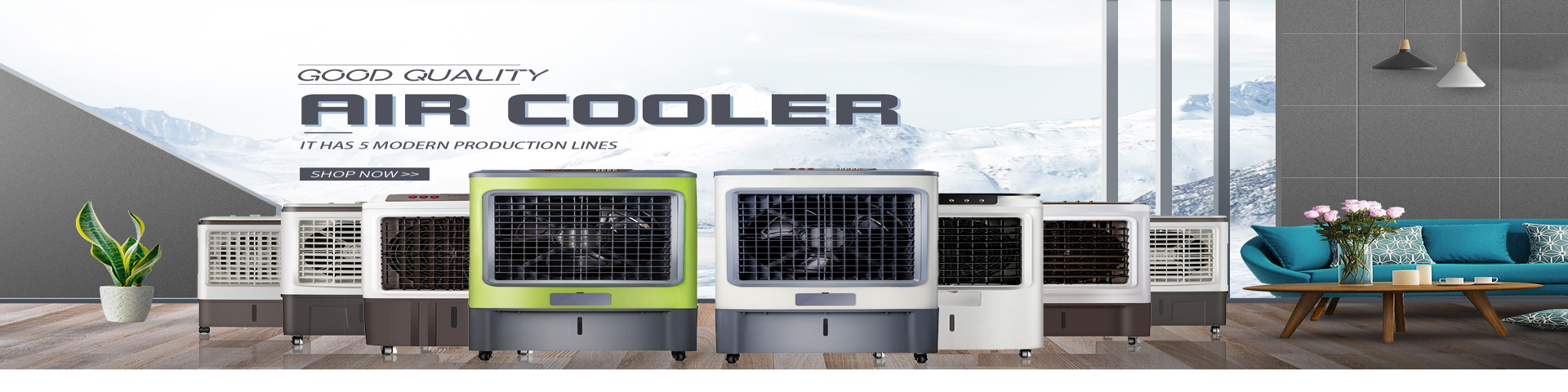
Типы систем испарительного охлаждения включают испарительные охладители (evaporative coolers), которые typically consist из вентилятора, водяного насоса и испарительной pads. Эти системы widely used в промышленной вентиляции для охлаждения large spaces, such as warehouses или manufacturing halls. Другой type — adiabatic coolers, которые integrate с холодильными циклами для pre-cooling воздуха, reducing load на компрессоры и saving energy.
Современные advancements включают использование интеллектуальных控制系统 с датчиками температуры и влажности, которые automatically adjust operation для maximize efficiency. Например, в systems с variable speed drives, скорость вентилятора и water flow могут be modulated based на real-time conditions, ensuring optimal performance при minimal energy use.
Кроме того, innovations в materials, such as high-efficiency evaporative media с improved water retention и antimicrobial properties, enhance durability и hygiene, что важно для food и pharmaceutical industries. Research в nanotechnology также promises further improvements, например, наноматериалы для enhanced heat transfer.
В промышленности, системы испарительного охлаждения often custom-designed под specific applications. For instance, в metalworking, они используются для охлаждения печей или quenching processes, где rapid cooling необходимо. В agriculture, они применяются для охлаждения storage facilities, preserving perishable goods.
Understanding этих принципов необходимо для effective implementation. В следующем разделе мы explore конкретные применения в различных отраслях.
Испарительное охлаждение finds diverse applications across multiple industrial sectors, leveraging its efficiency and eco-friendliness. В manufacturing industry, оно используется для охлаждения производственных цехов, особенно в hot environments like foundries или glass plants. By maintaining comfortable temperatures, оно improves worker productivity и reduces heat-related illnesses, while also protecting equipment from overheating.
В food and beverage industry, испарительное охлаждение critical для процессов, требующих precise temperature control, such as brewing, dairy processing, или storage of fruits and vegetables. Оно helps prevent spoilage и maintains product quality, often integrated with refrigeration systems для energy savings. Например, в breweries, оно используется для охлаждения fermentation tanks, где traditional cooling can be energy-intensive.
Data centers represent another key application, где heat generation from servers necessitates efficient cooling. Испарительное охлаление can significantly reduce energy consumption compared to conventional air conditioning, as demonstrated by companies like Google и Facebook, которые adopted adiabatic cooling in some facilities. This not only cuts costs but also supports sustainability goals.
В energy sector, испарительное охлаждение применяется в power plants для охлаждения turbines или condensers, improving overall efficiency. In renewable energy systems, such as solar thermal plants, оно helps manage heat loads, enhancing performance. Additionally, в HVAC systems для commercial buildings, оно provides an eco-friendly alternative, reducing reliance on fossil fuels.
Other industries include textiles, где охлаждение необходимо для processes like dyeing, и automotive, для testing environments или assembly lines. The versatility of evaporative cooling allows it to be tailored to specific needs, often resulting in payback periods of less than two years due to energy savings.
Case studies highlight successful implementations. For example, a manufacturing plant in arid regions reported up to 50% reduction in cooling costs after installing evaporative systems. Similarly, in data centers, energy use can be cut by 30-40%, making it a compelling choice for modern infrastructure.
Despite its benefits, challenges such as water usage and maintenance must be addressed. In the following sections, we delve into advantages, challenges, and future trends.
Основные преимущества испарительного охлаждения включают значительную экономию энергии. По сравнению с традиционными системами кондиционирования, которые потребляют большое количество electricity для компрессоров, испарительное охлаждение relies на evaporation, требующем minimal energy для pumps и fans. Это может lead to energy savings of up to 80% в suitable climates, according to industry reports.
Экологические benefits are substantial. Поскольку система использует water вместо harmful refrigerants, она имеет lower global warming potential и ozone depletion potential. Это aligns с regulations like the Kigali Amendment to the Montreal Protocol, which phases down HFCs. Кроме того, reduced energy consumption translates to lower greenhouse gas emissions, contributing to corporate sustainability initiatives.
Cost-effectiveness is another key advantage. Initial investment in evaporative cooling systems is often lower than for conventional AC, and operational costs are reduced due to lower energy and maintenance requirements. Water, while a resource, is generally inexpensive compared to electricity, and systems can be designed with water recycling to minimize waste.
Simplicity и reliability конструкции означают fewer mechanical parts, что снижает риск поломок и упрощает техническое обслуживание. Это особенно важно в remote или harsh industrial environments, где доступ к repair services may be limited. Additionally, systems can be scaled easily to fit various sizes of facilities.
Health and comfort benefits include improved air quality, as evaporative cooling adds moisture to dry air, reducing respiratory issues and static electricity. In industrial settings, this can enhance worker well-being and productivity.
However, it's important to note that these advantages are maximized in dry climates. In humid areas, efficiency drops, necessitating hybrid systems. Overall, the benefits make evaporative cooling a attractive option for many industries.
Несмотря на многочисленные преимущества, испарительное охлаждение сталкивается с несколькими challenges. Основное ограничение — зависимость от климатических условий. В регионах с высокой влажностью, способность воздуха поглощать дополнительную влагу limited, что reduces cooling efficiency. Это может require supplementary cooling methods, increasing complexity and cost.
Water usage является another concern, особенно в areas facing water scarcity. Хотя системы могут быть designed с water recycling, evaporation все равно leads to water loss. Innovations like closed-loop systems или use of treated wastewater help mitigate this, but it remains a critical consideration for sustainable implementation.
Maintenance requirements include regular cleaning of evaporative pads to prevent microbial growth, such as Legionella, which can pose health risks. Automated cleaning systems и antimicrobial materials reduce this burden, but it adds to operational costs.
Коррозия и scaling из-за water minerals can affect equipment longevity, necessitating use of treated water или protective coatings. Это увеличивает initial setup costs.
Кроме того, в applications requiring very low temperatures, испарительное охлаждение may not be sufficient alone и must be combined with other technologies. Например, в precision manufacturing или laboratories, hybrid systems with mechanical cooling are often employed.
Despite these challenges, ongoing research aims to address them. For instance, development of desiccant-enhanced systems allows operation in humid climates by first drying the air. Education and training for operators are also key to maximizing system performance.
В следующем разделе мы обсудим future trends и innovations в этой области.
Будущее испарительного охлаждения выглядит promising благодаря continuous innovation. Одна из key trends — integration с IoT и AI для smart cooling systems. Датчики и algorithms can optimize operation in real-time, adjusting parameters based on weather forecasts и occupancy patterns, further enhancing energy efficiency.
Advancements в materials science приводят к разработке новых evaporative media с higher efficiency и durability. Например, carbon-based materials или polymers с improved hydrophilicity enable better water distribution и evaporation rates.
Гибридные системы, combining испарительное охлаждение с другими technologies like absorption cooling или geothermal energy, gain traction. These systems can provide cooling even in humid conditions, expanding the applicability of evaporative principles.
В области sustainability, focus on water conservation drives innovation in water-efficient designs, such as systems that use atmospheric water harvesting или greywater. Additionally, research into renewable energy-powered evaporative coolers, e.g., solar-powered units, reduces carbon footprint further.
Standardization и certification programs, like ENERGY STAR для evaporative coolers, promote adoption by ensuring quality и performance. Governments и organizations offer incentives for implementing energy-efficient technologies, accelerating market growth.
В global context, climate change increases the demand for efficient cooling solutions, positioning evaporative cooling as a key technology for adaptation. Collaboration between industry and academia fosters innovation, with projects demonstrating large-scale implementations in smart cities.
В заключение, испарительное охлаждение продолжит evolve, offering even greater benefits for industrial applications. В final section, мы подведем итоги.
В summary, испарительное охлаждение представляет собой highly effective и sustainable solution для промышленных систем охлаждения. Его principles, based на simple evaporation, provide significant energy savings, environmental benefits, and cost reductions across various industries. Despite challenges related to climate and water usage, innovations и hybrid approaches are overcoming these limitations.
Key takeaways include the importance of proper system design и maintenance для maximize efficiency. Industries should consider local climate conditions и specific needs when adopting evaporative cooling. With ongoing advancements, this technology is poised to play a crucial role in the future of industrial cooling, supporting global efforts towards energy efficiency and sustainability.
By embracing evaporative cooling, businesses can not only reduce operational costs but also contribute to a greener planet. We encourage further exploration и implementation of this technology in industrial practices.