Консультации
Горячая линия
Горячая линия

Время:2025-12-07
Подробное описание
В современном мире, где изменение климата и энергетический кризис становятся все более актуальными, инновации в области охлаждения играют ключевую роль. Традиционные системы охлаждения, такие как кондиционеры и холодильники, часто потребляют огромное количество энергии и выделяют вредные газы, усугубляя экологические проблемы. Однако на горизонте появилась революционная технология — испарительное охлаждение, которая promises not only to reduce energy consumption but also to minimize environmental impact. This article delves deep into this groundbreaking technology, exploring its principles, benefits, applications, and the future it holds for a sustainable world.
Охлаждение является неотъемлемой частью нашей повседневной жизни. От охлаждения серверов в дата-центрах до кондиционирования воздуха в домах и офисах, оно потребляет значительную долю мировой энергии. По данным Международного энергетического агентства (МЭА), на охлаждение приходится около 10% глобального потребления электроэнергии, и этот показатель продолжает расти due to urbanization and increasing temperatures. Более того, традиционные хладагенты, такие как гидрофторуглероды (ГФУ), являются мощными парниковыми газами, contributing to global warming. This dual challenge of high energy use and environmental harm necessitates a shift towards more sustainable cooling solutions.
Испарительное охлаждение emerges as a beacon of hope in this scenario. Rooted in ancient practices, such as the use of evaporative coolers in arid regions, this technology has been modernized and optimized for contemporary needs. It leverages the natural process of evaporation to cool air or surfaces, offering a highly efficient and eco-friendly alternative. In this article, we will unpack the science behind evaporative cooling, its advantages over conventional methods, real-world applications, and how it is poised to lead an ecological revolution in the cooling industry.
At its core, evaporative cooling is based on a simple physical phenomenon: when water evaporates, it absorbs heat from the surrounding environment, thereby lowering the temperature. This process is harnessed in various ways to create cooling systems that are both effective and energy-efficient. There are two main types of evaporative cooling: direct and indirect.
In direct evaporative cooling, air is passed through a wet medium, such as a pad soaked in water. As the air moves through, water evaporates, cooling the air directly. This method is highly efficient in dry climates but can increase humidity, which might not be desirable in all situations. Indirect evaporative cooling, on the other hand, uses a heat exchanger to separate the evaporative process from the air being cooled. This allows for cooling without adding moisture, making it suitable for a wider range of environments.
The efficiency of evaporative cooling is measured by the wet-bulb temperature, which represents the lowest temperature that can be achieved through evaporation. In ideal conditions, evaporative coolers can achieve temperatures close to the wet-bulb temperature, offering significant energy savings compared to vapor-compression systems used in traditional air conditioners. For instance, while a conventional AC might have a coefficient of performance (COP) of 3-4, evaporative coolers can achieve COPs of 10 or higher in dry climates, meaning they use much less energy for the same cooling effect.
Modern advancements have further enhanced this technology. Hybrid systems combine evaporative cooling with other methods, such as absorption cooling or solar power, to improve performance in humid conditions or to provide cooling even when water is scarce. Additionally, smart controls and IoT integration allow for precise regulation of temperature and humidity, optimizing energy use and comfort.
The benefits of evaporative cooling are multifaceted, spanning environmental, economic, and operational aspects. Firstly, from an environmental perspective, evaporative coolers use water as the primary refrigerant, which is natural and non-toxic. This eliminates the need for synthetic refrigerants like HFCs, which have high global warming potential (GWP). According to the United Nations Environment Programme, phasing out HFCs could avoid up to 0.5°C of global warming by the end of the century. By adopting evaporative cooling, we can significantly reduce greenhouse gas emissions.
Secondly, energy efficiency is a major advantage. As mentioned, evaporative systems consume up to 75% less electricity than conventional AC units. This not only lowers carbon footprints but also reduces operational costs. For businesses and households, this translates to substantial savings on energy bills. In regions with high electricity prices or unreliable power grids, evaporative cooling can be a game-changer.
Thirdly, evaporative coolers are simpler in design and have fewer moving parts compared to compressor-based systems. This results in lower maintenance costs and longer lifespan. They are also quieter in operation, enhancing comfort in residential and commercial settings. Moreover, the use of water-based cooling can improve indoor air quality by adding moisture in dry climates, which can alleviate respiratory issues and skin dryness.
However, it is important to note that evaporative cooling is most effective in dry climates. In humid areas, its efficiency decreases, and it may not be suitable as a standalone solution. But with hybrid technologies and proper design, these limitations can be overcome, making it a versatile option globally.
Evaporative cooling finds applications across a wide range of sectors, demonstrating its versatility and effectiveness. One of the most promising areas is in data centers. Data centers are energy-intensive facilities, with cooling accounting for up to 40% of their total energy consumption. By implementing evaporative cooling, data centers can achieve significant energy savings. Companies like Google and Facebook have already adopted variants of this technology in their facilities, reporting reductions in power usage effectiveness (PUE) and overall carbon emissions.
In the commercial and residential sectors, evaporative coolers are used for air conditioning in buildings. In arid regions like the southwestern United States, Australia, and parts of the Middle East, evaporative coolers are a popular choice for homes and offices. They provide effective cooling at a fraction of the cost of traditional AC. Additionally, in agricultural settings, evaporative cooling is used to preserve perishable goods, such as fruits and vegetables, during storage and transport.
Industrial applications include cooling for manufacturing processes, power plants, and even vehicles. For example, in the automotive industry, evaporative cooling is being explored for electric vehicles to manage battery temperatures efficiently. The technology is also used in greenhouses to maintain optimal growing conditions for plants, leveraging evaporation to regulate temperature and humidity.
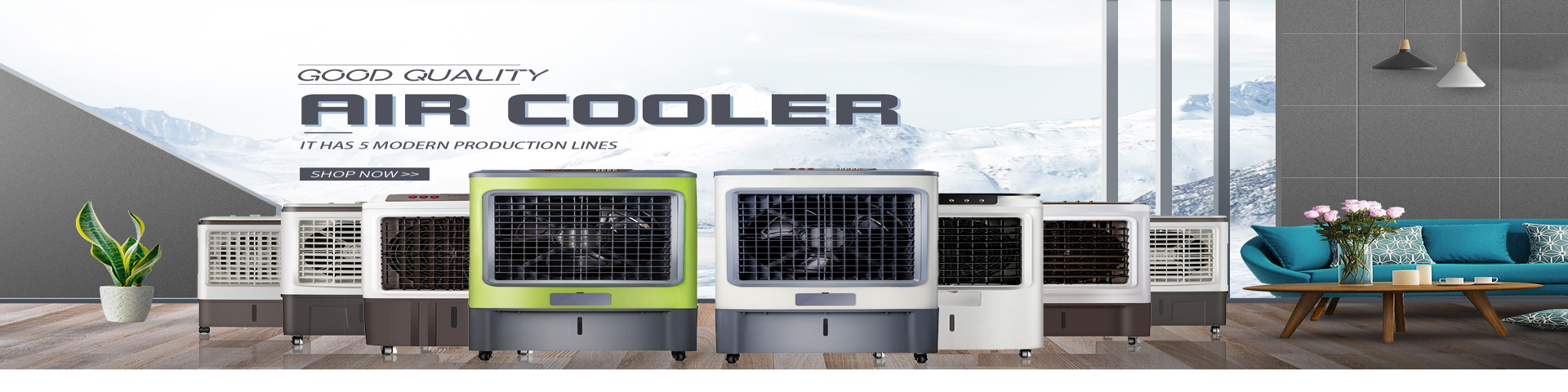
On a smaller scale, portable evaporative coolers are gaining popularity for personal use, especially in regions with hot and dry climates. These devices are affordable, easy to use, and environmentally friendly, making them an attractive alternative to energy-hungry fans and AC units.
The future of evaporative cooling is bright, driven by continuous innovation and growing awareness of sustainability. Researchers are working on enhancing the efficiency of evaporative systems through advanced materials and designs. For instance, the development of nanostructured surfaces can improve water evaporation rates, leading to better cooling performance. Similarly, the integration of renewable energy sources, such as solar power, can make evaporative cooling systems even more sustainable by reducing reliance on grid electricity.
Another trend is the rise of smart and connected cooling systems. With the Internet of Things (IoT), evaporative coolers can be monitored and controlled remotely, optimizing performance based on real-time weather data and user preferences. This not only improves energy efficiency but also enhances user comfort.
Policy and regulatory support are also crucial for the widespread adoption of evaporative cooling. Governments around the world are implementing measures to phase out high-GWP refrigerants and promote energy-efficient technologies. Incentives such as tax credits and subsidies for green cooling solutions can accelerate the transition to evaporative systems.
Looking ahead, we can expect to see evaporative cooling playing a central role in the global effort to combat climate change. As technology advances and costs decrease, it will become accessible to more people and industries, ultimately contributing to a cooler and greener planet.
Испарительное охлаждение представляет собой не просто технологическое улучшение, а настоящую экологическую революцию в индустрии охлаждения. Оно предлагает практическое решение для снижения энергопотребления, сокращения выбросов и повышения устойчивости. От дата-центров до домашних хозяйств, эта технология демонстрирует, что инновации и природа могут работать hand in hand для создания лучшего будущего.
Как потребители, businesses, and policymakers, we have the power to drive this change. By choosing evaporative cooling over conventional methods, we can make a significant impact on the environment and our wallets. Let's embrace this revolution and cool our world in a way that is both efficient and ethical. The time for action is now—join the movement towards sustainable cooling today!
For more information on how to implement evaporative cooling in your home or business, consult with experts in the field or explore resources from organizations like the International Energy Agency and the U.S. Department of Energy. Together, we can make a difference.